







How to Work with Gas Pipes | Ask This Old House

0%
ADVERTISMENT – become one of us and contribute knowledge
You Might Be Interested In



Comment (0)
LEAVE YOUR COMMENT
You must be logged in to post a comment.
Hi,we're professional manufacturer of gasoline HDPE pipes.HDPE pipe is simpler, more efficient and longer life cycle.Contact me if interested.
Having enough volume and pressure being delivered to the appliance means everything with gas. Before I retired in 2016, I worked for the gas utility company in Baltimore. Sometimes we'd have a distribution problem when a large building converted from oil or coal to gas and a larger service pipe was tapped into the main to supply the new heating plant. Occasionally, there would be too much demand on the main between the new and existing customers when the new heating system would cut on and the main pressure would drop too low from insufficient gas volume. We'd then have to do a system reinforcement installation to boost the gas supply requiring either a larger main being laid for the new service or tapping a nearby higher pressure main and installing a pressure regulator station and back feed main tapped into the old main near the customer's service pipe. The same is true with a building having multiple gas appliances – you have to have the correct size pipe so that each appliance gets a sufficient supply of gas volume at the pressure required even when all the appliances are operating at the same time.
Awesome content! We just created a video on why viewers might need a gas line in their homes! Check it out here: https://youtu.be/Chl_Cuf-la0
you basically learn nothing from this video. it is not a DIY vid and also it doesn't go into detail the purpose of the size of pipe and how it affects pressure. A lot of things left out that would have been nice. lame
Imagine how much of a cheap POS you have to be to put your kids lives in danger because you are too pathetic to pay a professional lol.
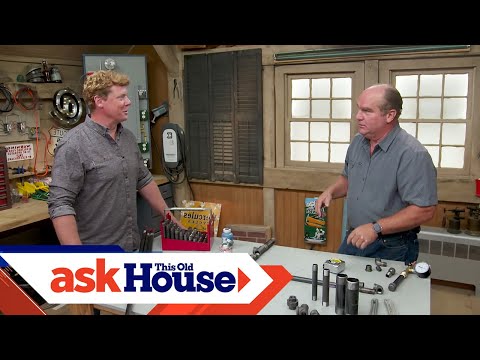
My home Depot has a threading machine right there, guy will cut to length and cut threads no extra cost
Size matters.
I find running a candle underneath all the fittings is an excellent way to find leaks
The reason they left out a lot of information and used lots of fittings is because they don’t want people dealing with gas pipes. Minor plumbing is one thing but gas pipes usually should be left to a pro if you’ve never done it before.